
In an exciting scientific development, researchers in Australia have been working on a groundbreaking blood test designed to detect driver fatigue. Led by Monash University in Melbourne, this innovation could give law enforcement a new way to determine whether a driver is fit to be behind the wheel based on how much sleep they’ve had. This article will explore what this blood test means for road safety, how it works, and the potential impact on UK driving laws.
Outline
- Introduction
- Overview of the blood test for driver tiredness
- The potential impact on road safety in the UK
- Background on Driver Fatigue
- Why driver fatigue is a critical issue
- Statistics on driver tiredness and accidents
- What Is the ‘Driver Tiredness’ Blood Test?
- How the blood test detects fatigue
- Comparison with existing road safety tests
- Development by Monash University
- The role of Monash University researchers
- Key findings of the research so far
- How the Test Works
- Explanation of the biomarkers identified
- Accuracy and scientific backing of the test
- Comparison to Alcohol and Drug Testing
- How the fatigue test could complement other roadside tests
- The limitations of current testing methods
- Importance of Sleep for Safe Driving
- The dangers of driving without adequate sleep
- How sleep-deprivation impacts the brain
- Challenges in Enforcing Driver Fatigue Laws
- Current UK laws on driver fatigue
- Potential legal and ethical concerns
- Implications for Young Drivers
- Why young drivers are more at risk
- University research on young drivers and tiredness
- The Road to Implementation
- Next steps for the research team
- Estimated timeline for a practical test
- Potential Impact on UK Road Safety
- How this test could reduce accidents
- Real-life scenarios for implementation
- Public Reception and Concerns
- Expected reactions from drivers
- Addressing privacy and personal autonomy
- Future of Roadside Safety Tests
- Possible technological advancements
- Could this test lead to broader changes?
- Benefits Beyond Road Safety
- Applications of fatigue detection in other industries
- How this could revolutionize workplace safety
- Conclusion
- Recap of the key points
- Final thoughts on the test’s potential
- Frequently Asked Questions (FAQs)
New ‘Driver Tiredness’ Blood Test: Coming to UK Roads Soon?
Introduction
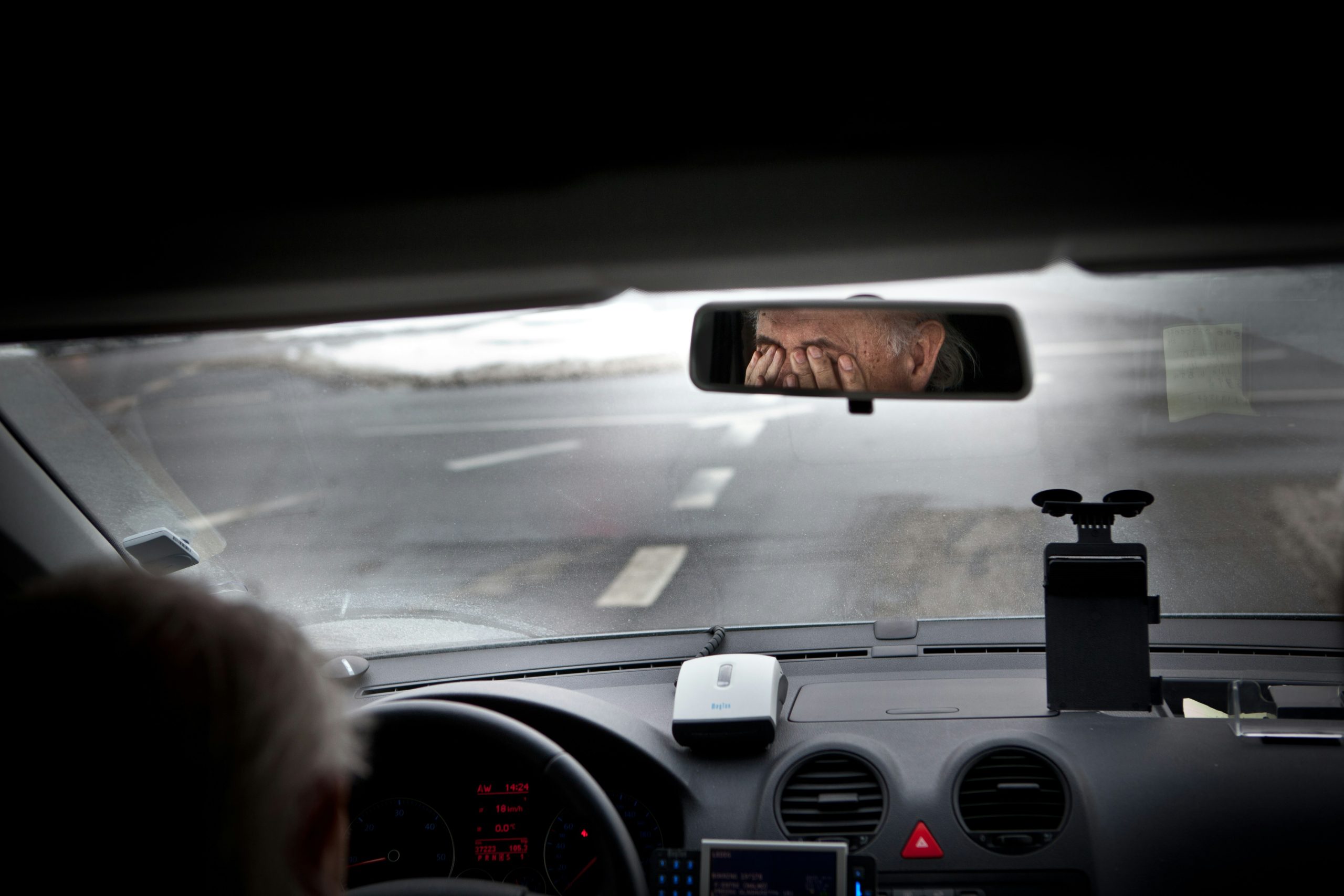
Imagine being able to assess driver fatigue with a simple blood test. This dream may soon be a reality, thanks to scientists at Monash University, Australia. They’re on the brink of developing a new test that could help police catch fatigued drivers and prevent accidents. This is a game-changer for road safety, especially in the UK, where driver fatigue plays a part in almost a quarter of serious road accidents.
Background on Driver Fatigue
Fatigue is one of the most dangerous but overlooked road hazards. Studies show that fatigue is a factor in about 20% of all road accidents, with tiredness leading to risky, delayed reactions similar to the effects of driving under the influence of alcohol. Shockingly, nearly half of UK drivers admit to driving on less than five hours of sleep, which can impair driving just as much as drinking over the legal limit.
What Is the ‘Driver Tiredness’ Blood Test?
The ‘Driver Tiredness’ blood test is an innovative approach to tackling driver fatigue. Using biomarkers in the blood test, this test can determine if someone has been sleep-deprived for over 24 hours. It aims to measure fatigue with up to 97% accuracy and will give police and employers a reliable tool to test whether someone is alert enough to drive safely.
Development by Monash University
Monash University researchers have dedicated years to finding biological markers in the blood that indicate sleep deprivation. Their discovery of five key indicators is just the start. With further development, this test could become as accurate as current breathalyzer tests for alcohol, marking a significant leap forward in road safety technology.
How the Test Works
The test identifies five specific chemical indicators in the blood that change based on the amount of sleep a person has had. When these markers align with certain thresholds, they signal to the testers that the individual has likely been awake for 24 hours or longer. The next phase of the research is to determine if the test can pinpoint exactly how much sleep someone has missed, increasing its accuracy and usefulness.
Comparison to Alcohol and Drug Testing
Just as breathalyzers detect alcohol and saliva tests reveal drug use, this blood test for tiredness could become another essential tool for road safety enforcement. Unlike alcohol testing, though, this test would reveal impairment from a lack of rest, a danger that’s just as hazardous on the road but is often underestimated.
Importance of Sleep for Safe Driving
Driving on limited sleep has a severe impact on the brain, slowing reaction times, impairing judgment, and even causing drivers to fall asleep at the wheel. Some experts liken the impact of driving after fewer than five hours of sleep to driving while intoxicated, highlighting how dangerous this can be.
Challenges in Enforcing Driver Fatigue Laws
Although the UK has laws for driving under the influence, there’s no law specifically against driving while fatigued. Anyone involved in a serious accident due to tiredness can face charges such as death by dangerous driving, but there are no roadside tests to monitor sleep deprivation directly.
Implications for Young Drivers
Research reveals that young drivers, especially those under 25, are at a higher risk of fatigued driving. Factors such as late nights, energetic lifestyles, and biological needs for more sleep make younger drivers particularly vulnerable. Professor Ashliegh Filtness of Loughborough University emphasizes that young people’s need for sleep and lifestyle choices heighten their risk behind the wheel.
The Road to Implementation
Monash University’s team is optimistic but realistic. They expect it will take several years before the test is ready for widespread use. Challenges such as ensuring quick and accurate roadside testing and gaining regulatory approval mean the road to real-life application is still being paved.
Potential Impact on UK Road Safety
If successfully implemented, this test could save countless lives on UK roads. By identifying and removing fatigued drivers, the test could significantly reduce the number of road accidents. Law enforcement could use it in situations where fatigue is suspected, creating a safer environment for all.
Public Reception and Concerns
While the test has incredible potential, it’s also expected to bring up questions about privacy and individual freedom. Some drivers might see this as an invasion of personal space, especially since the test involves blood sampling. Public opinion and feedback will be crucial for making this test both effective and acceptable.
Future of Roadside Safety Tests
This test could lead to new roadside safety innovations and set the stage for monitoring other aspects of driver fitness. With advances in technology, future roadside tests may assess a range of factors that affect safe driving, creating comprehensive checks similar to full-body health assessments.
Benefits Beyond Road Safety
Beyond road safety, this test could be invaluable in other fields. Industries such as transportation and logistics, where alertness is critical, might adopt similar tests to ensure employees are well-rested and safe at work. This test could usher in a new era for workplace safety and health monitoring.
Conclusion
The new ‘Driver Tiredness’ blood test represents a huge step toward making roads safer for everyone. As the science evolves, this test could become a staple of UK road law, helping police identify fatigued drivers and prevent tragic accidents. We’ll have to wait a few years to see it in action, but the potential benefits are worth the wait.
Frequently Asked Questions (FAQs)
Q1: When will the driver tiredness blood test be available?
It’s expected to take several years before this test is ready for use on the roads.
Q2: How accurate is the test?
The test is reported to have an accuracy rate of 97% in identifying people who’ve been awake for over 24 hours.
Q3: Will the test be mandatory?
This depends on future UK laws and public acceptance, but it could become a key tool for enforcing road safety.
Q4: Can this test detect other impairments?
Currently, it’s designed to detect sleep deprivation only, but future innovations might expand its capabilities.
Q5: Is this test a privacy concern?
Some individuals may feel uncomfortable with blood testing, so privacy concerns will be considered during its development.
Main photo by Sander Sammy on Unsplash
Leave a Reply