
Outline
- Introduction
- Importance of language in shaping perception
- Why the word “accident” is being reconsidered
- The Power of Words
- How language influences societal understanding
- The psychological effect of words on accountability
- Historical Context of the Word ‘Accident’
- What the word traditionally meant
- The shift in modern contexts and its implications
- Why an ‘Accident’ Isn’t Always an Accident
- Human error as a cause of most crashes
- How labeling something an accident downplays responsibility
- Research Supporting the Change
- Statistics showing avoidable causes of collisions
- Studies linking language to behavior change
- Criticism of the Word ‘Accident’
- Perspectives from road safety advocates
- Statements from victims’ families
- The Role of Government Agencies
- How the Department of Transport and National Highways are responding
- Changing language in official publications
- Edmund King and The AA’s Stance
- The AA’s position on avoiding the word ‘accident’
- Importance of focusing on preventable crashes
- The Impact of Speeding and Reckless Driving
- Speed-related collisions and their consequences
- Why calling them ‘accidents’ diminishes their seriousness
- Influence of Drink and Drug Driving
- How impaired driving is often mislabeled
- The role of choice in dangerous driving behaviors
- Changing Public Perception
- Why changing language can shift public attitudes
- Potential effects on driver behavior and safety culture
- The NPCC’s Viewpoint
- Detective Chief Superintendent Andy Cox’s perspective
- The link between language, culture, and road safety
- The Role of Media in Framing Road Incidents
- How media coverage contributes to the normalization of the term ‘accident’
- Calls for media outlets to use more accurate language
- Potential Pushback
- Why some may resist the change
- Balancing tradition with modern road safety strategies
- Conclusion
- Summary of the argument for changing language
- The role individuals can play in shifting perception
- FAQs
- Why does it matter what we call a crash?
- What impact could this change have on road safety?
- How has the public responded to the change so far?
- Are there any legal implications to changing the term?
- Will this shift affect how insurance companies handle claims?
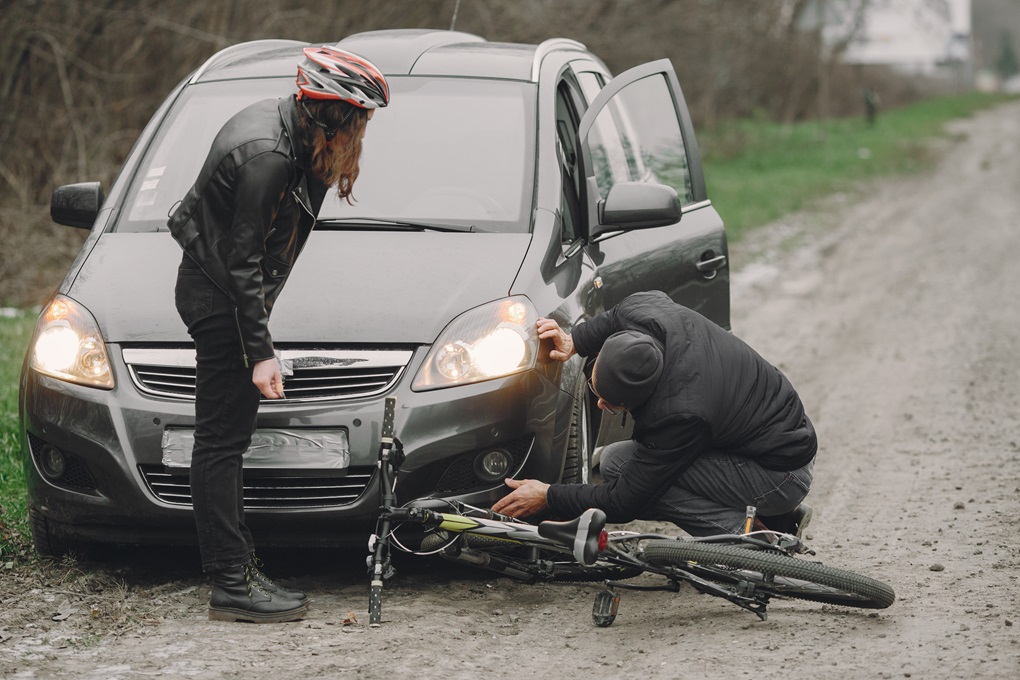
Do Words Matter? Why an ‘Accident’ is No Longer an ‘Accident’
Introduction
Words hold tremendous power. The way we describe events, especially serious ones like road crashes, can shape how we think, feel, and act. One word in particular, “accident,” is under scrutiny for the way it influences our perception of responsibility and accountability. The Department of Transport is gradually removing the word from its publications, believing it’s no longer an appropriate term for most road incidents.
But why does this shift matter? The word “accident” suggests that something unavoidable or purely accidental happened, when in fact, many road collisions are the result of human error or dangerous choices. In this article, we’ll explore the implications of this language change and why it’s more than just semantics.
The Power of Words
Words are more than just labels; they are lenses through which we interpret reality. When we hear “accident,” we tend to think of something that couldn’t be prevented—a random, unfortunate event. This frames the incident in a way that softens the blow of accountability. However, if we use words like “collision” or “crash,” the tone changes. Suddenly, there’s room for the possibility that someone’s actions contributed to the outcome.
Historical Context of the Word ‘Accident’
Traditionally, the word “accident” was used to describe events that occurred without intent, often due to forces beyond human control. Think of a tree falling on a car during a storm or a sudden mechanical failure. However, in modern times, the vast majority of road incidents are preventable. Human error, whether it’s speeding, distracted driving, or impaired driving, plays a significant role in the majority of crashes. Therefore, using the word “accident” in these contexts no longer feels appropriate.
Why an ‘Accident’ Isn’t Always an Accident
Crashes are often the result of someone’s actions. Whether it’s a choice to drive under the influence or to speed on wet roads, these are decisions that contribute to collisions. When we use the word “accident,” it downplays the idea that these incidents could have been avoided if someone had made a different choice. This is why many road safety advocates argue for a change in terminology—to make it clear that in many cases, there is someone who is at fault.
Research Supporting the Change
Research has shown that most crashes are not random occurrences but are linked to avoidable factors. For example, government studies reveal that over a third of fatal collisions in Britain each year are speed-related, either due to exceeding the speed limit or driving too fast for road conditions. In addition, drink or drug driving continues to be a significant contributor to road deaths. These behaviors are choices, not accidents, and the language used to describe them should reflect that.
Criticism of the Word ‘Accident’
For those who have lost loved ones in road incidents, the word “accident” can feel like an insult. It implies that no one is to blame, when in reality, someone’s negligence or recklessness may have caused a tragic outcome. This has led to a growing movement among victims’ families and road safety campaigners to push for language that holds drivers accountable for their actions.
The Role of Government Agencies
The Department of Transport and National Highways are responding to this criticism by revising their language in official communications. For example, they are considering removing the word “accident” from digital road signs on motorways. This shift is part of a broader effort to reshape public perception and increase awareness of driver responsibility.
Edmund King and The AA’s Stance
Edmund King, president of The AA, believes that avoiding the word “accident” is crucial in changing how we think about road safety. He argues that many crashes are preventable and that using the word “accident” makes excuses for dangerous behavior. King advocates for more focus on personal accountability to reduce the number of deaths and serious injuries on the roads.
The Impact of Speeding and Reckless Driving
Speeding is one of the leading causes of road deaths. It’s a choice that drivers make, and when it leads to a crash, calling it an “accident” diminishes the seriousness of the behavior. Reckless driving, whether it’s weaving in and out of traffic or running a red light, also contributes to many collisions that could have been avoided.
Influence of Drink and Drug Driving
Driving under the influence of alcohol or drugs is another dangerous choice that’s often mislabeled as an “accident.” These behaviors put everyone on the road at risk, and by framing the resulting crashes as accidents, we fail to hold drivers fully accountable for the harm they cause.
Changing Public Perception
Changing the language we use can shift public attitudes toward road safety. If we stop using the word “accident” and instead use terms like “crash” or “collision,” we help reinforce the idea that road safety is largely in our hands. This shift could lead to more responsible driving behaviors and a greater emphasis on accountability.
The NPCC’s Viewpoint
Detective Chief Superintendent Andy Cox of the National Police Chiefs’ Council (NPCC) is a vocal advocate for changing how we describe road incidents. He believes that words matter and that stopping the use of “accident” is crucial for reducing road danger. According to Cox, many crashes result from selfish, dangerous, or reckless driving, and the public needs to understand that these are not random events but preventable tragedies.
The Role of Media in Framing Road Incidents
The media plays a significant role in shaping public perception of road crashes. When news outlets describe a collision as an “accident,” it can influence how the public views the event, often downplaying the responsibility of the driver. Road safety advocates are urging the media to use more accurate terminology that reflects the preventable nature of most crashes.
Potential Pushback
Of course, not everyone agrees with this change in language. Some argue that the word “accident” has been used for so long that it has become ingrained in our culture, and changing it may seem unnecessary or even confusing. However, road safety campaigners believe that the benefits of shifting public perception outweigh these concerns.
Conclusion
In conclusion, words matter more than we might think. The term “accident” no longer fits the majority of road incidents because it implies that no one is to blame. By changing the language we use, we can start to shift public attitudes and hold drivers more accountable for their actions. It’s a small change that could have a big impact on road safety.
FAQs
1. Why does it matter what we call a crash?
The language we use shapes how we think about events. Calling a crash an “accident” implies it was unavoidable, which downplays accountability.
2. What impact could this change have on road safety?
Changing language can shift public attitudes, encouraging drivers to take more responsibility for their actions and potentially reducing dangerous driving behaviors.
3. How has the public responded to the change so far?
There has been mixed response, with some supporting the change for its focus on accountability, while others feel it may be unnecessary.
4. Are there any legal implications to changing the term?
No, changing the term doesn’t alter legal responsibilities, but it can influence how incidents are perceived in the media and by the public.
5. Will this shift affect how insurance companies handle claims?
No, the terminology change is primarily about public perception and accountability, and will not directly impact insurance claims or policies.
Image by aleksandarlittlewolf on Freepik.
Leave a Reply