
Road Rage: Number of Learners Being Bullied on the Increase
Outline:
- Introduction
- What is Road Rage?
- Road Rage Against Learner Drivers
- The Rise of Aggression Post-Pandemic
- Statistics on Learner Bullying Incidents
- Impact on Learner Drivers
- Effects on Confidence and Skill Development
- Psychological Toll on Learners
- Learner Driver Stories: Real Experiences of Road Rage
- Case of Tailgating and Verbal Abuse
- Extreme Cases: Fear Leading to Avoidance of Driving
- Where Learners Face the Most Harassment
- Roundabouts and Junctions
- Busy Town Centers and Traffic Lights
- Impact of Practicing Maneuvers
- Common Forms of Harassment Learners Encounter
- Tailgating and Horn Honking
- Cutting Off and Gestures
- The Psychological and Emotional Impact on Learners
- Mistake Increase Due to Stress
- Decreased Confidence and Decision to Quit
- P Plates: Why Some New Drivers Avoid Them
- P Plates as a Trigger for Harassment
- Advice from Parents and Instructors
- Long-Term Impact on New and Learner Drivers
- Confidence Behind the Wheel After Bullying
- Reduced Road Safety Due to Anxiety
- Why Is Road Rage Against Learners So Common?
- Drivers’ Impatience and Frustration
- Lack of Awareness and Empathy
- Efforts to Address Learner Driver Bullying
- On-the-Spot Fines and Penalty Points
- Government Petition to Enforce Stricter Penalties
- The Role of Driving Instructors in Supporting Learners
- Instructor Strategies to Prevent Intimidation
- Encouraging Resilience in Learners
- How Learners and Families Can Stay Safe on the Road
- Tips for Handling Intimidation Situations
- Practicing in Safer Areas
- Conclusion
- FAQs
- What are the best ways for learner drivers to handle road rage?
- Are there legal protections against bullying of learner drivers?
- How can driving instructors help learners feel more confident?
- Do P plates increase the likelihood of harassment for new drivers?
- How can the government help reduce road rage incidents against learners?
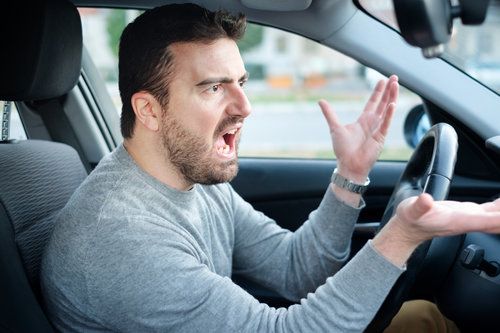
Road Rage: Number of Learners Being Bullied on the Increase
The increase in road rage against learner drivers is becoming a serious issue, especially as aggressive behavior from experienced drivers makes it harder for new drivers to learn confidently. The pandemic seems to have intensified this issue, with more than half of driving instructors noting a rise in abusive behavior toward their students.
What is Road Rage?
Road rage is aggressive or angry behavior exhibited by a driver of a vehicle, often directed toward another driver. This can include tailgating, honking excessively, shouting, or even attempting to cut off or intimidate other drivers.
Road Rage Against Learner Drivers
The Rise of Aggression Post-Pandemic
Recent years have seen a marked increase in road rage incidents involving learner drivers. Instructors report that since the pandemic, an alarming number of drivers have vented their frustration on learners, undermining the learning process.
Statistics on Learner Bullying Incidents
According to insurer Marmalade, 59% of driving instructors have observed their learners being abused on the road, and 81% of learners report facing intimidation during their lessons. The findings show how widespread this issue has become, impacting learners across the board.
Impact on Learner Drivers
Effects on Confidence and Skill Development
For many learners, facing abuse on the road hinders their ability to drive confidently. Nearly three-quarters of learners reported making more mistakes when bullied by other drivers, which in turn makes them more nervous and hampers their progress.
Psychological Toll on Learners
The emotional toll of this behavior is significant. Some learners feel so overwhelmed that they are hesitant to continue with their lessons, and 8% have even quit learning to drive altogether due to repeated incidents of road rage.
Learner Driver Stories: Real Experiences of Road Rage
The stories from learners and instructors illustrate the frightening reality of road rage on learner drivers.
- Case of Tailgating and Verbal Abuse: Andy, a driving instructor, recalls how a van driver tailgated one of his learners before dangerously overtaking and shouting abuse. The learner was so distressed that she decided to give up learning to drive.
- Extreme Cases: Esme, another learner, recounts how a group of men shouted and threw things at her, leading her to avoid driving for six months afterward.
Where Learners Face the Most Harassment
Roundabouts and Junctions
Roundabouts are one of the most challenging places for learners and, unfortunately, the most common areas where they face abuse. The high-pressure situation can lead other drivers to display impatience, worsening the experience for learners.
Busy Town Centers and Traffic Lights
Traffic lights, busy intersections, and crowded town centers are also places where learners face frequent harassment, often from drivers unwilling to wait.
Impact of Practicing Maneuvers
Practicing maneuvers like parallel parking can attract unnecessary attention from impatient drivers, who might honk or display other forms of aggression.
Common Forms of Harassment Learners Encounter
Tailgating and Horn Honking
Tailgating is one of the most common forms of road rage that learners face, with 68% reporting it. Horn honking often follows close behind, creating a stressful environment for those still trying to build their skills.
Cutting Off and Gestures
In addition to tailgating, learner drivers frequently experience rude gestures and aggressive maneuvers from other drivers, who cut them off or try to intimidate them with close-range maneuvers.
The Psychological and Emotional Impact on Learners
Mistake Increase Due to Stress
For learners, stress leads to mistakes. Being constantly honked at or tailgated disrupts their concentration and causes them to second-guess their decisions, which can hinder learning and damage their confidence.
Decreased Confidence and Decision to Quit
Some learners find the experience so daunting that they stop lessons altogether, believing they are not cut out for driving. This results in lost progress and potentially gives up their goal of gaining independence on the road.
P Plates: Why Some New Drivers Avoid Them
P Plates as a Trigger for Harassment
Many newly qualified drivers report that using P plates, which indicate a recently licensed driver, can provoke more aggressive behavior from other drivers.
Advice from Parents and Instructors
Instructors and parents are increasingly advising new drivers not to use P plates due to the bullying it seems to attract. Some drivers treat P plates as a sign to test or intimidate the driver, creating more hazardous conditions.
Long-Term Impact on New and Learner Drivers
Confidence Behind the Wheel After Bullying
Even after passing their test, some drivers carry the anxiety and hesitation developed during their learning period. This can reduce road safety, as they may drive overly cautiously or become hesitant, especially in busy areas.
Reduced Road Safety Due to Anxiety
With nervousness taking hold, new drivers may hesitate or second-guess their actions, which can inadvertently lead to unsafe situations.
Why Is Road Rage Against Learners So Common?
Drivers’ Impatience and Frustration
Many experienced drivers feel frustrated when slowed down by learner drivers, especially in heavy traffic. This impatience can quickly lead to aggressive behavior.
Lack of Awareness and Empathy
A significant portion of aggressive drivers may not understand how intimidating they are to learners. Without the empathy to see things from a learner’s perspective, they may view their actions as harmless when they are anything but.
Efforts to Address Learner Driver Bullying
On-the-Spot Fines and Penalty Points
Some proposals suggest immediate fines or penalty points for drivers caught bullying learners, aiming to deter the behavior.
Government Petition to Enforce Stricter Penalties
Campaigns like Marmalade’s petition are calling for stricter penalties for drivers who endanger or intimidate learner drivers, pushing for a safer learning environment.
The Role of Driving Instructors in Supporting Learners
Instructor Strategies to Prevent Intimidation
Driving instructors play a vital role in helping learners navigate road rage, offering strategies like staying calm and encouraging learners to pull over safely if needed.
Encouraging Resilience in Learners
Instructors also work to build resilience in learners, reminding them that they are not at fault and encouraging them to remain focused on their goals.
How Learners and Families Can Stay Safe on the Road
Tips for Handling Intimidation Situations
Learners should practice calm breathing techniques and try to focus on their lessons. Instructors recommend staying composed and not engaging with aggressive drivers.
Practicing in Safer Areas
Some instructors suggest starting in quieter neighborhoods and gradually moving to busier areas as learners grow more confident.
Conclusion
With the increase in road rage incidents involving learner drivers, it’s crucial to address this growing issue. Driving should be a safe, positive
Main image by pinterest
Leave a Reply