
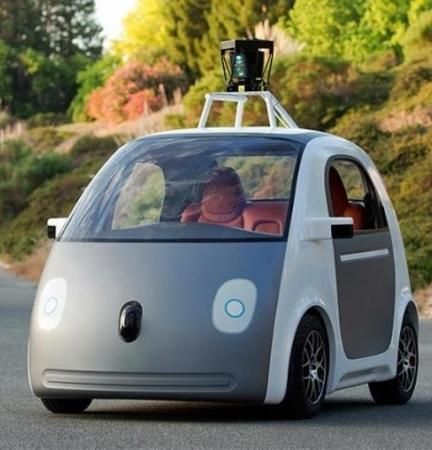
Self-Driving Cars: Your Views Wanted!
Outline of the Article
Introduction
- What Are Self-Driving Cars?
- Why Is This Topic Important?
H2: The Rise of Self-Driving Cars
- How Do Self-Driving Cars Work?
- The Evolution of Autonomous Vehicles (AVs)
H2: Potential Benefits of Self-Driving Cars
- Reduced Road Accidents
- Convenience and Accessibility
- Environmental Impact
H2: Challenges and Concerns
- Technological Limitations
- Ethical and Legal Questions
- Impact on Jobs and Economy
H2: Driver Training
- The Future of Driving Tests
- Potential Shift in ADI Roles
- Effects on Learners
H2: Public Opinions on Self-Driving Cars
- Mixed Reactions from the Public
- Trust Issues with Automation
H2: Conclusion
- Reflecting on the Future of Driving
- A Call for Collaboration
FAQs
- Will self-driving cars completely eliminate human drivers?
- What are the safety concerns with autonomous vehicles?
- How will self-driving cars impact driving instructors?
- Can self-driving cars help the environment?
- When will self-driving cars become mainstream?
Self-Driving Cars: Your Views Wanted!
Introduction
What Are Self-Driving Cars?
Self-driving cars, also known as autonomous vehicles (AVs), are cars equipped with advanced technology that allows them to navigate roads and transport passengers without human intervention. Using a mix of sensors, cameras, AI, and machine learning, these vehicles promise to revolutionize the way we travel.
Why Is This Topic Important?
Self-driving cars could reshape our world—from how we commute to how we train drivers. They pose a big question: will they render driving tests and traditional driver training obsolete? Let’s dive into the debate!
The Rise of Self-Driving Cars
How Do Self-Driving Cars Work?
Autonomous vehicles rely on an intricate system of technologies. Lidar, radar, cameras, and GPS gather data, while onboard AI systems analyze it in real-time to make driving decisions. It’s like having a super-intelligent co-pilot that doesn’t get tired or distracted.
The Evolution of Autonomous Vehicles (AVs)
From concept cars of the 1950s to today’s AI-powered models by Tesla and Waymo, self-driving cars have come a long way. What once felt like sci-fi is now being tested on public roads.
Potential Benefits of Self-Driving Car
Reduced Road Accidents
Did you know that 90% of road accidents are caused by human error? Self-driving cars could drastically reduce this statistic by eliminating distractions, fatigue, and reckless driving.
Convenience and Accessibility
Imagine stepping into a car that takes you where you need to go while you relax, read, or even work. AVs could also provide mobility for people unable to drive, such as the elderly or disabled.
Environmental Impact
Many self-driving cars are electric, which means they could significantly cut carbon emissions. Additionally, these vehicles can optimize routes, reducing traffic congestion and fuel consumption.
Challenges and Concerns
Technological Limitations
While the tech is impressive, it’s far from perfect. Issues like navigating in bad weather or interpreting complex human behavior on the road still need solving.
Ethical and Legal Questions
Who’s responsible if an autonomous car causes an accident? How should a car prioritize safety in a no-win situation? These ethical dilemmas have sparked heated debates.
Impact on Jobs and Economy
What happens to professional drivers, driving instructors, and even car insurance companies when self-driving cars dominate? The ripple effects on employment and industries could be significant.
Self-Driving Car and Driver Training
The Future of Driving Tests
If cars handle all the driving, will we still need driving tests? Perhaps, we’ll shift focus to teaching people how to interact with AVs safely.
Potential Shift in ADI Roles
Approved Driving Instructors (ADIs) may need to adapt their roles, perhaps becoming technology trainers or consultants for understanding autonomous systems.
Effects on Learners
For learners, the process might become more about understanding tech rather than mastering manual driving skills. Could this be easier—or harder?
Public Opinions on Self-Driving Car
Mixed Reactions from the Public
Some people are thrilled about the idea of self-driving cars, while others are skeptical. Concerns over safety, privacy, and loss of control are common.
Trust Issues with Automation
Would you trust a robot with your life? Many people find it hard to let go of the steering wheel, even when the tech is proven safe.
Conclusion
Reflecting on the Future of Driving
It bring exciting possibilities but also daunting challenges. As the technology evolves, society must address these issues together to ensure a safe, fair, and sustainable future.
A Call for Collaboration
Whether you’re an ADI, a learner, or just a curious observer, your views matter. Share your thoughts to help shape this fascinating evolution in transportation!
FAQs
1. Will self-driving car completely eliminate human drivers?
Not anytime soon. While AVs are advancing, human driving will likely coexist for decades due to regulatory, technological, and cultural factors.
2. What are the safety concerns with autonomous vehicles?
Safety concerns include tech glitches, hacking risks, and ethical decision-making in complex scenarios.
3. How will self-driving car impact driving instructors?
Driving instructors may need to adapt by teaching AV-related skills or becoming tech consultants for learners and drivers.
4. Can self-driving car help the environment?
Yes! Many self-driving car are electric, which can reduce emissions. Their efficiency in route planning can also cut fuel waste.
5. When will self-driving car become mainstream?
It depends on regulatory approval, tech advancements, and public acceptance, but experts predict a significant rise by the 2030s.
Main image by pinterest
Leave a Reply