
In a first for the UK, the Devon and Cornwall Police have started deploying drones to monitor drivers from above, recording instances of dangerous driving and speeding. This innovative use of drones promises to enhance road safety and ensure compliance with traffic laws.
Outline of the Article:
- Introduction
- The growing concern of speeding and reckless driving
- The role of drones in modern policing
- How Police Drones Are Used to Catch Speeders
- Overview of drone deployment in Devon and Cornwall
- Vision Zero South West road safety initiative
- Targeting motorcyclists after recent accidents
- Technical Aspects of Police Drones
- High-definition cameras and zoom lenses
- Ability to monitor from up to four miles away
- Operation under varying weather conditions
- Calculating Speed and Identifying Offenders
- How drones calculate the speed of vehicles
- Use of fixed road points for accurate speed measurement
- Cross-referencing footage with MOT, tax, and insurance databases
- Legal Consequences for Offenders
- Warnings and training courses for minor offenses
- Penalties, fines, and points for serious infractions
- On-the-spot arrests for dangerous driving
- Statement from Inspector Colin Harper
- Importance of early warning for traffic offenses
- Use of targeted drone surveillance in high-risk areas
- Global Examples of Drone Use in Traffic Enforcement
- Los Angeles and New York, USA
- Australia’s beach surveillance for dangerous driving
- Comparison to UK’s evolving approach
- Impact of Drone Surveillance on Road Safety
- Potential to reduce accidents in Devon and Cornwall
- A deterrent for dangerous drivers
- The Future of Drones in Law Enforcement
- Prospects of adoption by other UK police forces
- Balancing privacy concerns with public safety
- Conclusion
- Summary of drone advantages in traffic law enforcement
- Broader implications for safety on UK roads
- FAQs
- What are the primary functions of police drones?
- How do police drones calculate vehicle speed?
- What happens if someone is caught speeding by a drone?
- Are police drones only used in the UK for traffic monitoring?
- What are the privacy concerns with police drones?
Article:
 Introduction
Speeding and reckless driving remain significant concerns on today’s roads, leading to countless accidents, injuries, and fatalities each year. In response, police forces worldwide are adopting innovative technologies to enhance road safety and ensure compliance with traffic laws. Among these innovations, drone technology is emerging as a powerful tool in monitoring and managing driver behavior from the sky.
The Devon and Cornwall Police have recently implemented drones in their traffic enforcement strategy as part of the Vision Zero South West initiative. This step marks the UK’s first police deployment of drones to watch drivers and record incidents of speeding and dangerous driving. But how exactly are these drones being used, and what impact could they have on road safety?
How Police Drones Are Used to Catch Speeders
The Devon and Cornwall Police’s recent rollout of drone technology aims to tackle the high rate of motorcycle accidents within the region. With over 200 riders killed or seriously injured in the previous year alone, authorities are now using drones to monitor road conditions, focusing particularly on areas where speeding is prevalent among motorcyclists. The Vision Zero South West initiative, under which the drone project falls, seeks to reduce these incidents and move closer to zero fatalities.
These drones don’t just capture images; they record detailed footage of driver behavior, allowing police to address traffic violations directly.
Technical Aspects of Police Drones
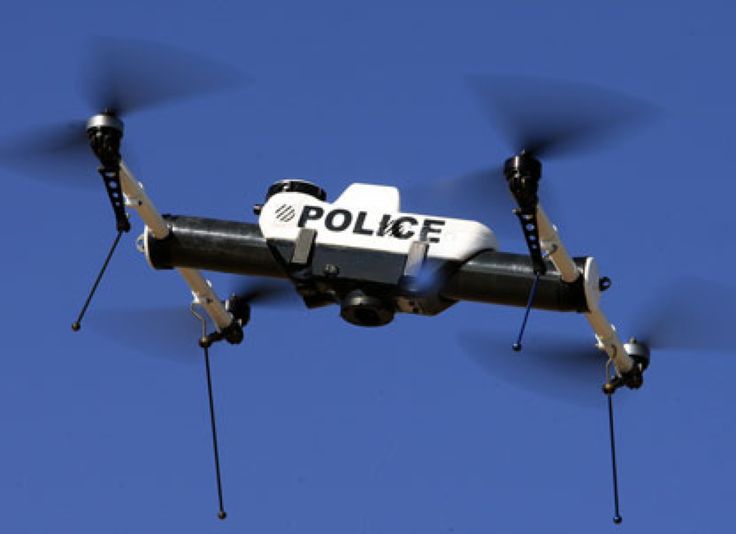
Modern police drones are equipped with advanced technology that enables them to operate under challenging conditions. Some of the standout features include:
- High-definition cameras: Equipped with HD cameras and powerful zoom lenses, these drones capture clear images of vehicles and drivers, even from a significant distance.
- Extended range: The drones can monitor traffic from as far as four miles away, offering broad coverage and reducing the need for continuous movement.
- Weather resistance: Police drones are designed to function in various weather conditions, ensuring consistent monitoring year-round.
This advanced equipment makes police drones a valuable addition to law enforcement, capable of capturing high-quality footage for real-time assessments and evidence collection.
Calculating Speed and Identifying Offenders
The drones employed by Devon and Cornwall Police use fixed road points to measure vehicle speed accurately. By observing how quickly a vehicle travels between these points, the drone system calculates an accurate speed reading. This technology allows for precise detection of speeding without direct ground engagement, minimizing risks for both officers and road users.
Once footage is captured, it’s cross-referenced with databases to verify whether the vehicle is legally compliant in terms of MOT status, tax, and insurance. The police can also quickly determine if the vehicle in question is stolen. This comprehensive check helps enforce a higher level of accountability for all drivers.
Legal Consequences for Offenders
Depending on the nature of the offense, the police have several response options:
- Minor offenses: For lower-level speeding incidents, police may issue a verbal warning or suggest a training course.
- Serious infractions: More severe cases, such as extreme speeding or reckless behavior, can lead to fines, penalty points, or both.
- On-the-spot arrests: If the drone captures evidence of an extremely dangerous driving offense, the police may intervene and arrest the driver immediately.
This range of responses provides flexibility, allowing authorities to address offenses proportionally while promoting safer driving habits.
Statement from Inspector Colin Harper
Inspector Colin Harper of the Devon and Cornwall Police Drone team highlighted the importance of this technology, stating: “This innovative use of drones will give us early warning of any offenses and allow us to be far more targeted in our approach on the ground. We will be deploying this technology on roads where we know motorbikes are traveling too fast.” Harper emphasized that this approach could significantly reduce accidents caused by dangerous driving, saving lives and making roads safer for all users.
Global Examples of Drone Use in Traffic Enforcement
While the UK is just beginning to explore drone technology for traffic law enforcement, several other countries have been using it for years. For instance:
- United States: In cities like Los Angeles and New York, drones help monitor traffic patterns and issue fines for violations.
- Australia: Drones are used on beaches to catch dangerous driving and detect drivers using mobile phones while behind the wheel.
These examples highlight how other countries are incorporating drones into their public safety strategies, and the UK’s adoption of similar methods represents an important step forward.
Impact of Drone Surveillance on Road Safety
The introduction of drones for road monitoring has the potential to reduce traffic accidents significantly. By providing a “sky-high” perspective, drones act as a deterrent, making drivers think twice about speeding or engaging in reckless behavior. The technology’s visibility and ability to cover extensive areas encourage safer driving habits overall.
The Future of Drones in Law Enforcement
If the drone program in Devon and Cornwall proves successful, it’s likely that other police forces across the UK will consider adopting similar technology. However, balancing privacy concerns with public safety remains crucial. Authorities will need to establish clear guidelines to ensure that drone use is both effective and respectful of citizens’ privacy.
Conclusion
Police drones represent a promising new approach to enhancing road safety by enforcing traffic laws from an aerial perspective. In Devon and Cornwall, this technology is already helping to curb speeding and dangerous driving, especially among motorcyclists. As drones become a more common part of law enforcement’s toolkit, we may see safer roads and a decrease in road-related accidents across the UK.
FAQs
What are the primary functions of police drones?
Police drones monitor traffic, capture footage of violations, and provide evidence for enforcing traffic laws.
How do police drones calculate vehicle speed?
Drones use fixed road points to measure how quickly a vehicle moves between them, allowing for precise speed calculation.
What happens if someone is caught speeding by a drone?
Depending on the severity of the offense, the driver may receive a warning, fine, penalty points, or even an on-the-spot arrest.
Are police drones only used in the UK for traffic monitoring?
No, countries like the US and Australia also use drones for traffic enforcement, catching various violations such as speeding and mobile phone usage.
What are the privacy concerns with police drones?
While effective for law enforcement, police drones raise privacy concerns that must be addressed with clear guidelines and regulations.
Main image by pinterest
Leave a Reply